Build It Fast: Microlearning Scenarios That Teach People Skills

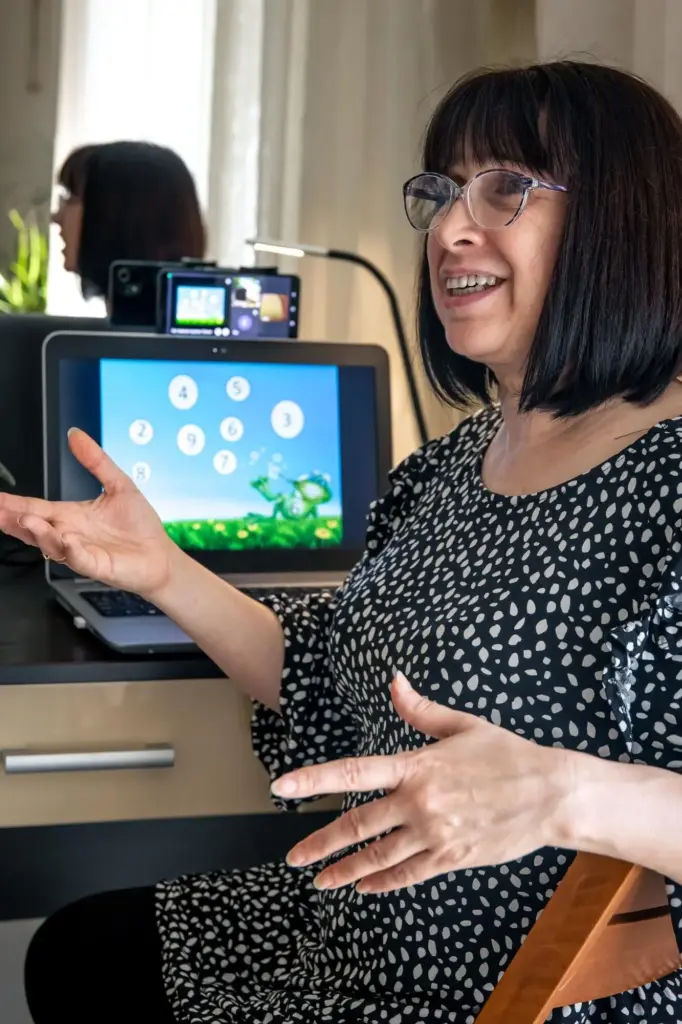
Today we explore rapid prototyping tools for soft skills microlearning scenarios, showing how to turn tricky, human-centered challenges into quick, testable practice experiences. You will see how minimal assets, tight feedback loops, and smart tool choices create believable branching conversations that coach empathy, feedback, negotiation, and collaboration within days. Share your favorite workflow, ask questions, and help refine these fast, humane approaches for real workplace impact.

Rapid Storyframes, Not Storyboards

Storyframes compress structure and intent into flexible cards: decision, rationale, immediate consequence, and follow-up cue. They are faster than full boards and keep attention on behavior, not background art. With six to eight cards, you can sketch a credible conflict, propose three credible responses, and chart two recovery paths. Photograph the cards, drop them into your authoring tool, and you have a navigable prototype before the coffee cools.

Timeboxed Sprints with Real Learners

Book a sixty-minute window: fifteen to frame, fifteen to build, fifteen to test, fifteen to tweak. Invite frontline colleagues, not only designers, and ask them to narrate their thinking as they choose responses. Capture phrases like “I’d never say that” or “I need more context here.” Use those quotes verbatim in the next version. The goal is not perfection, but a prototype that mirrors the rhythms of real conversations.

Slide Builders as Scenario Engines

Leverage master slides, hyperlinks, and simple variables to create credible branching without custom code. Color-coded buttons and slide titles make navigation transparent during testing, while duplicate-and-edit workflows speed experimentation. Feedback layers can reveal why choices help or harm relationships. Export quickly for mobile, share a link, and learn from clicks, pauses, and retries. This approach delivers velocity, accessibility, and just enough logic to model realistic interpersonal trade-offs.

Forms and Chatbots for Conversational Practice

Forms and chat interfaces prototype turn-taking without heavy media. Conditional logic routes learners to tailored prompts, while immediate micro-feedback nudges better phrasing. Use message delays to feel conversational, and keep inputs short to maintain flow. Blend suggested responses with free text, collecting examples for future improvements. Because these tools run everywhere, learners can practice difficult conversations between meetings, turning tiny downtime moments into meaningful growth opportunities.

Designing Moments That Matter in People-Skill Practice

Soft skills grow through well-timed choices, believable tension, and compassionate reflection. Structure interactions around pivotal moments: noticing emotions, clarifying needs, and agreeing action. Keep scenes short, stakes relatable, and tone respectful. Offer recovery paths that model resilience and curiosity. Embed reflective questions that help learners connect decisions to values. When the experience feels psychologically safe and practically useful, busy professionals will return willingly and recommend it to peers.

Data-Driven Iteration Without Slowing Down

Collect only the signals you can act on quickly: time to first decision, retries on a tricky branch, and reflection completion rates. Use lightweight analytics or xAPI statements to capture behavior, then review data together after short pilots. Run small A/B tests on wording, hint timing, or feedback tone. Keep privacy central, minimize personally identifiable data, and communicate how insights improve experiences. Speed and trust should rise together.

Tiny Metrics, Big Signals

A few well-chosen metrics can reveal friction you can fix today. If learners pause before the first click, your context may be unclear. If they rush through, stakes might be too low. Track where retries cluster and tune feedback or choices there. Share quick charts in standups, adjust copy, and retest within hours. Iteration powered by small, meaningful data keeps momentum and delivers visible improvements fast.

A/B Tests During Lunch

Pick one variable—response wording, hint order, or button labels—and split traffic for a quick lunchtime test. Compare empathy recognition rates, completion time, and voluntary replay counts. Keep tests small, document assumptions, and decide fast. Even a two-point lift in a critical behavior justifies adopting the variant. Share wins and near-misses openly, building a culture where evidence guides edits and experimentation feels safe, purposeful, and energizing.

Learning Record Stores and Privacy Basics

If using xAPI, route statements to a learning record store with transparent retention policies. Store only what you need, pseudonymize where possible, and provide opt-in messaging when collecting reflections. Offer exports for learners who want their practice history. Privacy builds trust, and trust invites honest engagement. With good governance, you can analyze patterns responsibly while preserving the dignity of the people practicing difficult conversations.

Design for Thumbs and Interruptions

Place choices within easy thumb reach and limit on-screen text. Save state frequently so learners can pause for a meeting, then resume right where they left off. Keep each decision lightweight, with optional context only a tap away. This approach respects real work rhythms, turning micro-moments—elevators, coffee lines, short breaks—into meaningful practice without adding cognitive drag or frustrating navigation hurdles.

Media Alternatives That Still Feel Human

Pair short audio cues with readable transcripts that convey tone and intent. When visuals matter, provide descriptive alt text that highlights feelings and context, not just objects. Use simple character tokens to maintain continuity without heavy art. This keeps load times low and accessibility high, while preserving the emotional temperature that makes interpersonal practice memorable and transformative across varied devices and bandwidth conditions.

Language, Culture, and Localization Ready

Write copy that travels: avoid idioms, clarify time zones, and use names that reflect global teams. Separate text from visuals so swapping languages is painless. Provide optional formality levels where culture expects it, and make examples regionally flexible. Inclusive design prevents rework, invites broader feedback, and helps every learner feel seen while practicing difficult conversations in contexts that match their daily reality.

One-Page Brief Everyone Signs

Capture purpose, target roles, key behaviors, success metrics, must-have constraints, and a simple timeline on one page. Include what this experience will not cover, preventing scope creep. When everyone signs, disagreements shift from direction to execution details. The brief becomes a touchstone during fast iterations, preserving clarity, protecting learner outcomes, and letting teams make confident, timely decisions with shared accountability and fewer surprises.

Playtests with Managers and Peers

Invite leaders and peers to experience the prototype and narrate aloud. Capture phrases they would use in real conversations and map them to response options. Their sponsorship accelerates adoption, and their language sharpens authenticity. Record three action items immediately after the session and update the build the same day. Visible responsiveness builds trust, shortens review cycles, and keeps the pilot energized and collaborative.

Post-Launch Support and Community

Sustain impact with lightweight supports: a discussion thread for wins and challenges, weekly nudge prompts that spotlight one behavior, and rotating office hours to coach tricky moments. Recognize contributions by sharing anonymized stories and micro-wins. Invite comments about tool choices and process tips, then fold the best insights into future sprints. Community energy fuels continuous improvement and keeps practice alive beyond the initial release.
Relahotexaliruki
Privacy Overview

This website uses cookies so that we can provide you with the best user experience possible. Cookie information is stored in your browser and performs functions such as recognising you when you return to our website and helping our team to understand which sections of the website you find most interesting and useful.