From Micro Moments to Measurable Change

Defining Behavioral Transfer in the Real World
From Scenario to Habit Loop
Habit formation bridges simulations and daily routines. Use cues that mirror real tools—calendar reminders, CRM fields, chat prompts—so the practiced behavior is triggered naturally. Pair each scenario with a tiny implementation intention and a reward, then watch repetition convert new choices into reliable patterns teammates recognize.
Kirkpatrick, Brinkerhoff, and Beyond
Classic models still help. Kirkpatrick Level 3 centers on behavior change; Brinkerhoff’s Success Case Method surfaces where transfer truly occurs and why. Blend short surveys, targeted interviews, and performance signals to understand not only whether behaviors shift, but under which conditions they persist or fade.

Designing Microlearning for Measurable Action
Build for Context, Not Abstraction
Context beats abstraction. Craft scenarios inside the tools people already use: an inbox dispute, a chat escalation, or a calendar conflict. Include time pressure, incomplete information, and competing priorities. When the simulation mirrors reality, the learned response transfers with fewer surprises and less friction.
Make Decisions Count
Branching should matter. Reward choices that surface empathy, curiosity, and clarity, not only speed. Provide short, specific feedback grounded in behavioral principles, then cycle learners back to try again. Let them witness downstream consequences so correct actions feel purposeful, not merely correct according to a key.
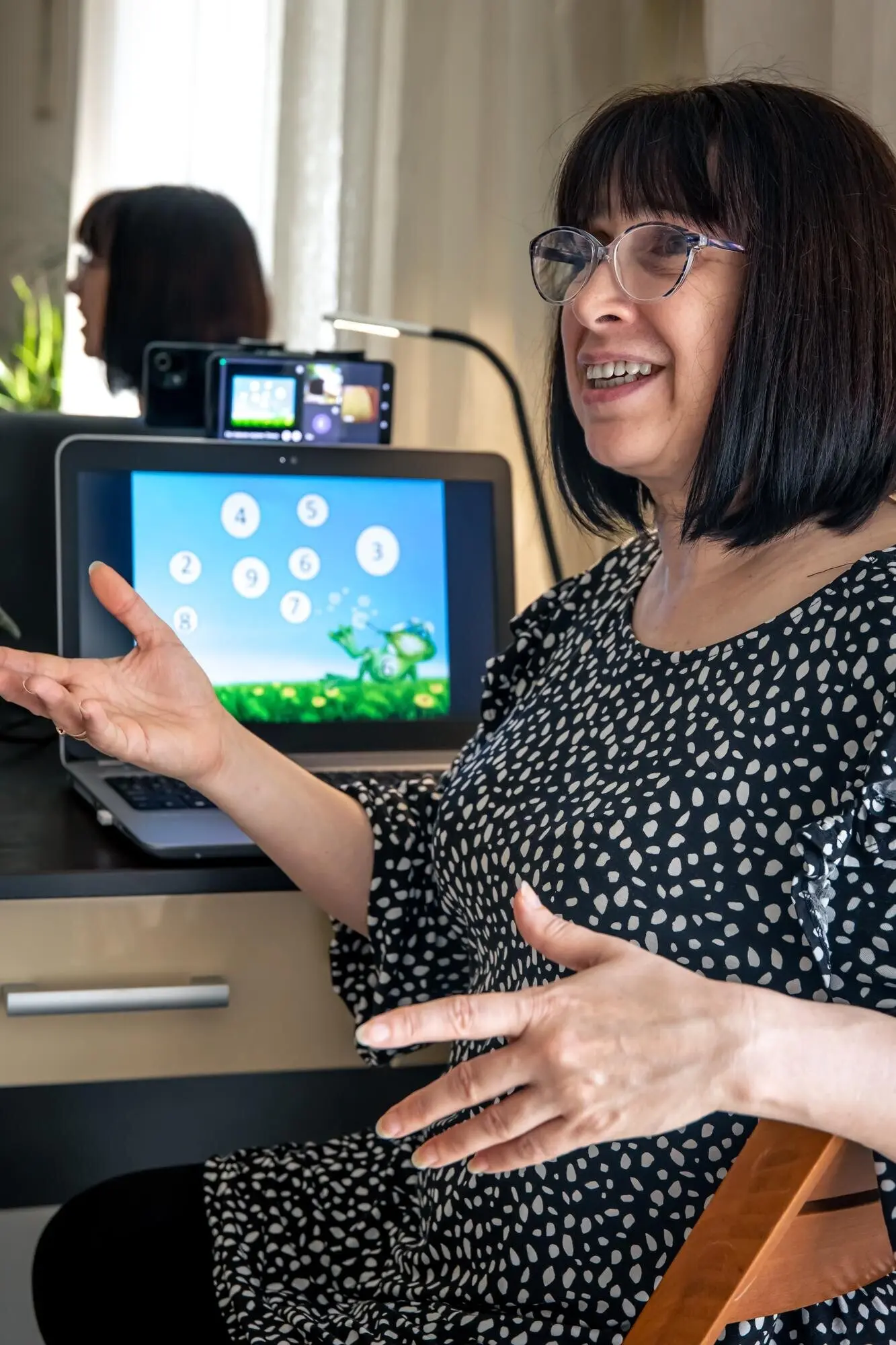
Data Collection Without Disruption

Measuring Change: Analytic Approaches That Respect People
Coaching and Reinforcement That Sustain Gains
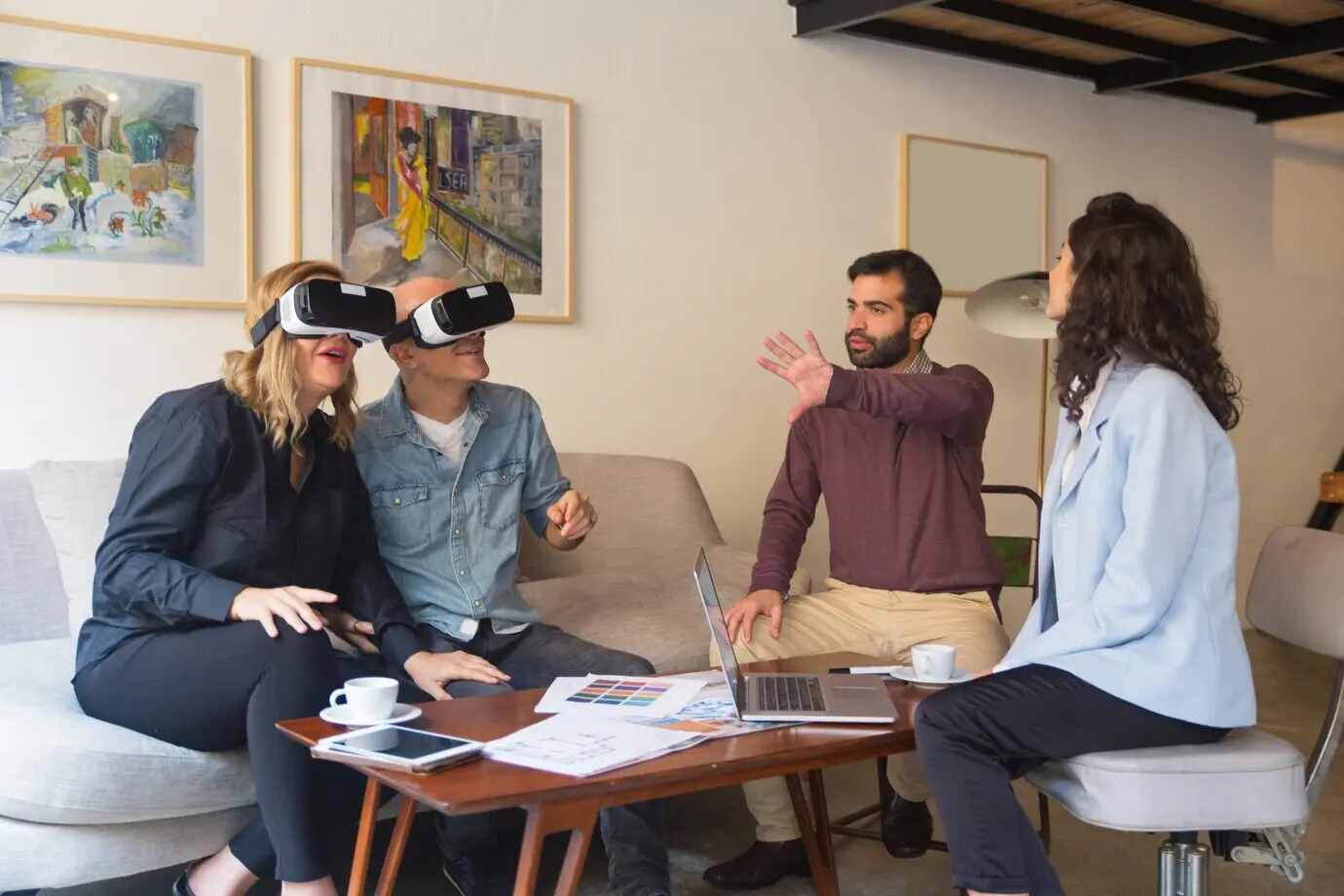
Connecting Soft Skills to Business Outcomes
Story-Driven Dashboards
Avoid Perverse Incentives
All Rights Reserved.